
The Psychological Benefits of Food
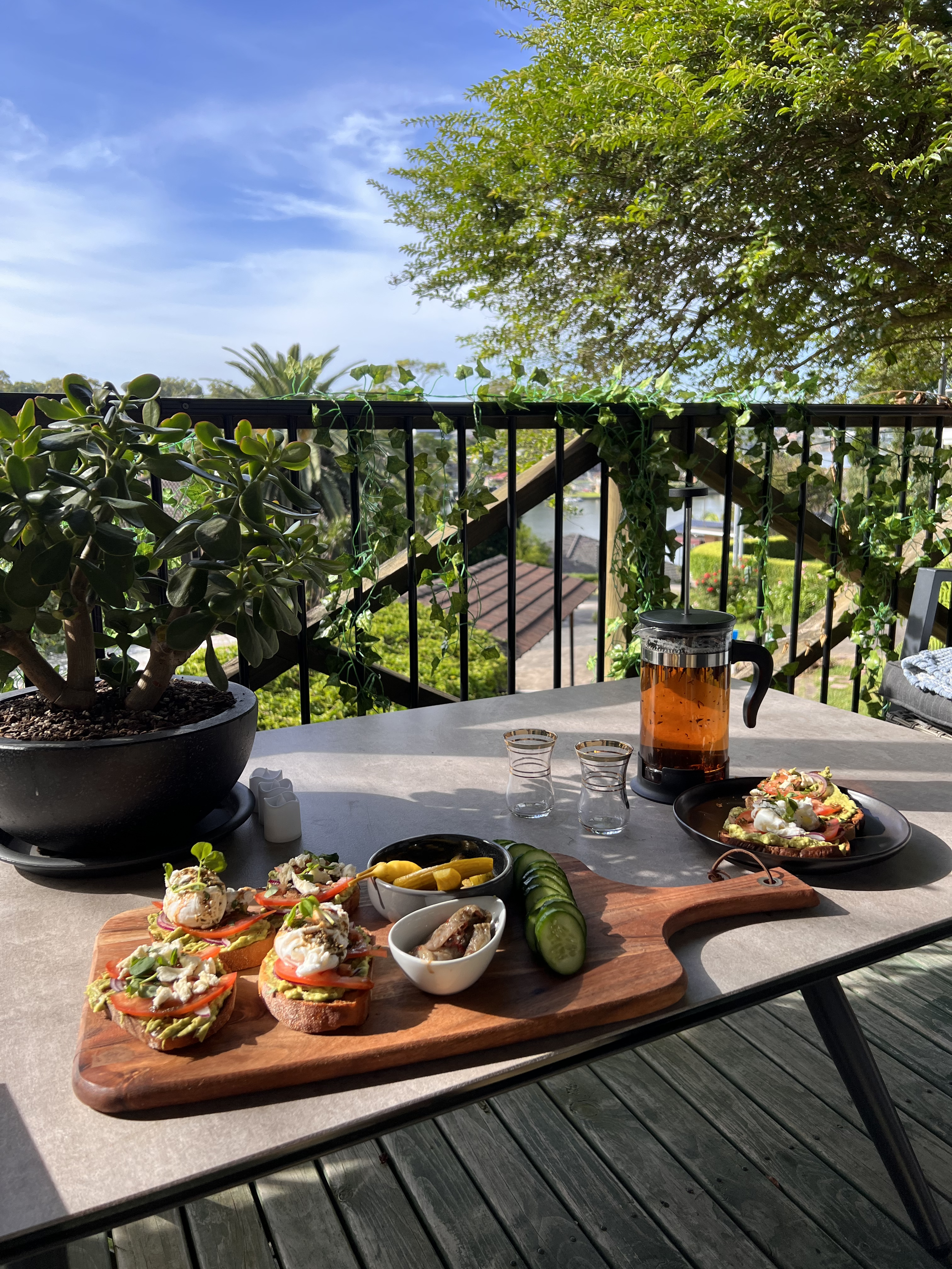
Food is more than just nourishment for the body
It is a way to find comfort after a long day of work
It offers emotional soothing when the world feels too cruel
It is a reliable friend, always there for you when other relationships let you down
It boosts dopamine, offering a brief moment of happiness in an otherwise heavy life
It takes you back to your childhood, calling back nostalgic memories of warm dishes made with love
It is a distraction, taking you away from stressful thoughts or feelings
It brings energy to a depleted body
It can inspire and excite, heal and rejuvenate, sicken and destroy
Join me in a curious exploration of the psychological role that food plays in our lives, and how we can use specific interventions to harness the power of food, rather than feel we are at the mercy of our appetites and compulsions
Happy Friday, dearest readers. I wonder what you have eaten for breakfast or lunch, and how that food is currently sitting with you. How does your body feel? What purpose did your meal fulfil for today? Nourishment, comfort, energy, joy, nostalgia, healing, or distraction? Take a moment with me to reflect.
I enjoyed a delicious charcoal chicken meal for lunch (very thankful for my Lebanese heritage here when it comes to food - so blessed) and I tried as best as I could to eat the meal mindfully. I focused on the purpose of nourishment, as I had an intense workout at the gym this morning. I avoided the hot chips, eating the protein and making sure to really chew the food, remembering that digestion begins in the mouth, with important enzymes in our saliva breaking down the food as we eat (Patricia & Dhamoon, 2019). This is a very important consideration to hold in mind, that mindful eating plays a significant role in nutrient absorption, as well as in regulating the nervous system. Our guts are deeply implicated within our central nervous system and this has a direct impact on our emotional stability and regulation. If our gut is agitated, inflamed, dysfunctional or fatigued, this can have a direct impact on our mood. This is outlined below, in the bi-directional relationship between our gut health and microbiome, and the experienced emotional wellbeing of an individual. Research has also well established the relationship between sugar and caffeine intake on anxiety, with further research exploring the role of nutrient deficiency (Vitamin D, B12, Iron) in depression (Anglin et al., 2013) and even psychosis (Payinda & Hansen, 2000).
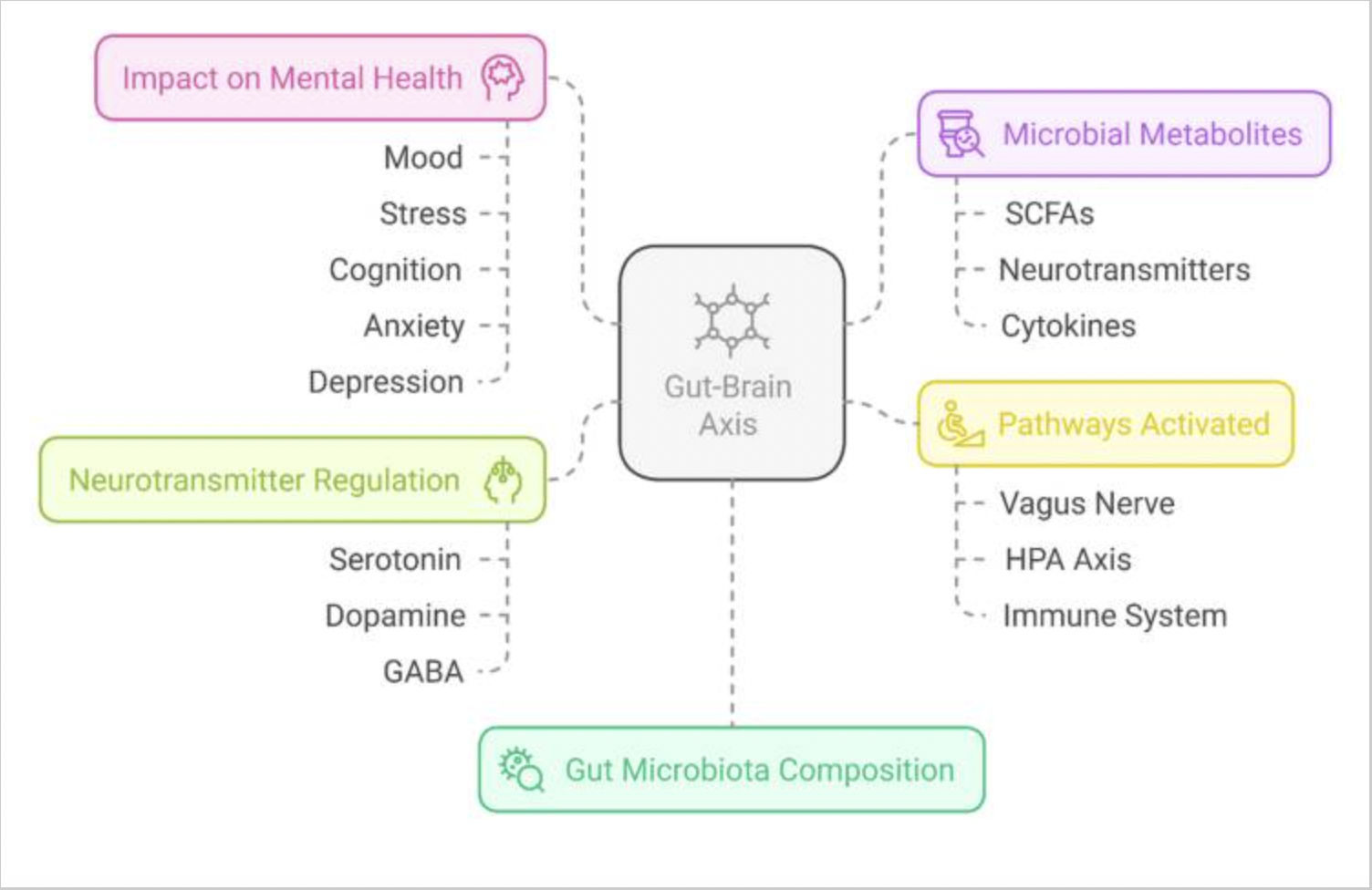
Research shows that imbalances in gut bacteria are associated with conditions such as anxiety, depression, and stress, due to reduced metabolites, increased inflammation, and changes in stress-response systems.
Gut microbes can influence brain function by producing neurotransmitters, signalling through the vagus nerve, and affecting the body’s stress hormones. Eating probiotics, switching to a Mediterranean diet, and other microbiome-based approaches, show promise for improving mental health.
(Kanchanbala et al., 2025)
https://pmc.ncbi.nlm.nih.gov/articles/PMC12007925/
Fascinating stuff, huh?
Think back to a time where you were on the verge of exploding in anger, and you had no clue what the trigger was. Then suddenly, someone suggests you eat something and one little snickers bar later, the demon possessing your body has left and you are now a happy, bubbly human again.
Or perhaps you were crying uncontrollably, finding every little thing overwhelming and distressing, and then you eat a sandwich and realise that your body was just trying to tell you that you were hungry. But why would our body use emotional cues like anger and sadness to prompt eating, rather than the tell-tale sign of hunger? What an interesting phenomenon! Without going into too much biological science and research, my intuition as a trauma-focused therapist says that somewhere early on in our lives, we learned to associate threat with situations where food was involved.
Either that, or we learned to dissociate from our inner bodily experiences entirely, whether due to intolerable traumatic pain, where escaping the physical experience was our only respite, or due to repeated experiences of neglect. The child adapts quickly. When we learn that the people in our environment do not care to attune to our physical experiences and help us to explore them safely, we quickly learn to suppress these useless cues of hunger, sadness, fear, tiredness, thirst and so much more. We do not discriminate between emotional cues or physiological cues. All internal experiences must be muted. And thus, we result in having a dissociated experience from our inner world. If you were raised in an environment where meal times were stressful, whether there was not enough food to eat and so you learned to swallow first, taste later, or perhaps meals at the dinner table were a guaranteed arena of conflict and tension, our nervous systems adapt to view mealtime and food as a stressful chore, rather than an enjoyable, nourishing practice of self care.
However, we are now (hopefully) fully grown, autonomous adults in safe environments. We can learn to re-attune to the inner sensations of our bodies, using mindful awareness, to establish a safe connection with our body cues. By practising mindful eating - chewing our food slowly, tasting all the flavours, smelling our food before we eat it, looking at our food intently, staying grounded in our body as we chew and swallow - we can learn to enjoy every part of the eating experience, while also differentiating between the sensations of hunger, digestion, satiation, enjoyment, disgust, excitement, anticipation and satisfaction. You can also learn to associate the seemingly unrelated somatic symptoms, such as a headache with a cue for thirst, or the feeling of uncontrollable sadness with a likely cue that it’s time for our next meal. Eat your food with every part of your body, your hands, eyes, nose, ears, while staying mindfully connected to your emotional experience, bodily experience and integrate all these sensations as one holistic practice.
“Dopaminergic activation is triggered by the auditory and visual as well as the tactile, olfactory, and gustatory stimuli of foods. While dopamine plays a central role in the feeding and food-seeking of normal animals, some food rewarded learning can be seen in genetically engineered dopamine-deficient mice.” (Wise, 2006)

Healing from food-related wounds takes time.
Be gentle with yourself in this process.
I say all of this with enthusiastic optimism, however I know the complexity that can exist with food. It is not just about threat, it can also induce deep and enduring feelings of shame. Or it can be an avenue to exert control over your otherwise unstable and out of control life, resulting in an eating disorder. These more complex presentations of food and eating disorders must be explored with a qualified psychologist and dietitian, taking a multi-disciplinary approach to healing these deep wounds around food and meal times. Reach out for support if this is something you struggle with. You are not alone and you do not have to figure it all out by yourself.
Thank you for joining me in this reflective exploration of the role that food plays in our psychological wellbeing. I sincerely hope you learned something new. Read below for an in-depth exploration of mindfulness skills we can use to reconnect safely to eating food and tuning in to our bodily sensations while we do so. You did great for reading this far!
Therapeutic Skill of the Week
This week, we are going to focus on mindful eating as a way to self soothe and regulate the nervous system, while healing your relationship with food and eating practices.
To eat mindfully, our full attention and conscious awareness must be focused on the food in front of us.
1) Look at the colours, shapes, textures of your meal. Enjoy the vibrant differences in shades, explore how the various colour palette of your meal makes you feel.
2) Stop and smell your food before you eat. Try to tune in to the various flavour profiles; can you smell citrus, chocolate, fruity tones, spicy tones, salty, oceanic smells.
3) Taste the food slowly and mindfully. Feel the different textures (crunchy, smooth) and temperatures (cool, hot). Taste the flavour profiles of your food; salty, sweet, umami, sour, bitter. Move the food to different parts of your tongue to explore different dimensions of flavour.
4) Listen to the sounds that the food makes as you chew and swallow, moving the food on your plate, using your utensils to pick up the food and put them in your mouth.
At every stage of eating, from before you taste the first bite, to when your plate is clean, stay grounded in the experience of your body. Regularly check in with your stomach, take deep breaths throughout and focus on how your body is feeling throughout. Label the emotions that come up for you as you eat, if it brings back any fond memories. How does the food make you feel?
Give it your best go and practice mindful eating every day to improve and enhance this skill over time.
All my very best, with love and hope,
Tala
Poetic Reflections
“A dry loaf eaten in peace
is better than a feast eaten in fear.”
- Saadi Shirazi, Golestan
References
Anglin, R. E., Samaan, Z., Walter, S. D., & McDonald, S. D. (2013). Vitamin D deficiency and depression in adults: systematic review and meta-analysis. The British journal of psychiatry, 202(2), 100-107.
Barma, M. D., Purohit, B. M., Priya, H., Malhotra, S., Bhadauria, U. S., & Duggal, R. (2026). Sweet Misery: Association of Sugar Consumption With Anxiety and Depression - A Systematic Review. Obesity Reviews, 27(1), 1-19.
Kanchanbala, R., Neha, S., Sunil, N., Kumar, S., Kiran, D., Dhrubajyoti, B., & Mohammad, I. H. Q. (2025). The bidirectional relationship between the gut microbiome and mental health: a comprehensive review. Cureus, 17(3).
Patricia, J. J., & Dhamoon, A. S. (2019). Physiology, digestion.
Payinda, G., & Hansen, T. (2000). Vitamin B12 deficiency manifested as psychosis without anemia. American Journal of Psychiatry, 157(4), 660-661.
Wise, R. A. (2006). Role of brain dopamine in food reward and reinforcement. Philosophical Transactions of the Royal Society B: Biological Sciences, 361(1471), 1149-1158.