
Disconnected in the Diaspora
Take a long, deep breath with me. Feel your chest rise. Close your eyes. Pause at the point of tension at the top. Slowly release and hear the air escape your lungs, like the gentle rush of an ocean wave. Make yourself a warm drink. Sit outside in the sun if you can, or in your comfiest chair. Let us begin, slowly and together.
Read my last post, A Message of Hope, to gain some context and insight into the post for this week. Flick on the news, and it will give you even more context to the post for this week. To be disconnected in the diaspora… it is a statement that is true on so many levels. Disconnected from homeland, disconnected from family, from language, culture and heritage.
Not only are you disconnected from your country of origin and all that gave you a stable sense of identity, but you also feel disconnected from the place you currently occupy, mingling with people who have regulated nervous systems while yours is in constant disarray. Interacting with people who care, but struggle to understand the depth of the collective grief and pain you are carrying, the perpetual fear and stress of living in a safe place, while everything you love and hold dear is on the verge of destruction.
You feel invisible, alone… disconnected.
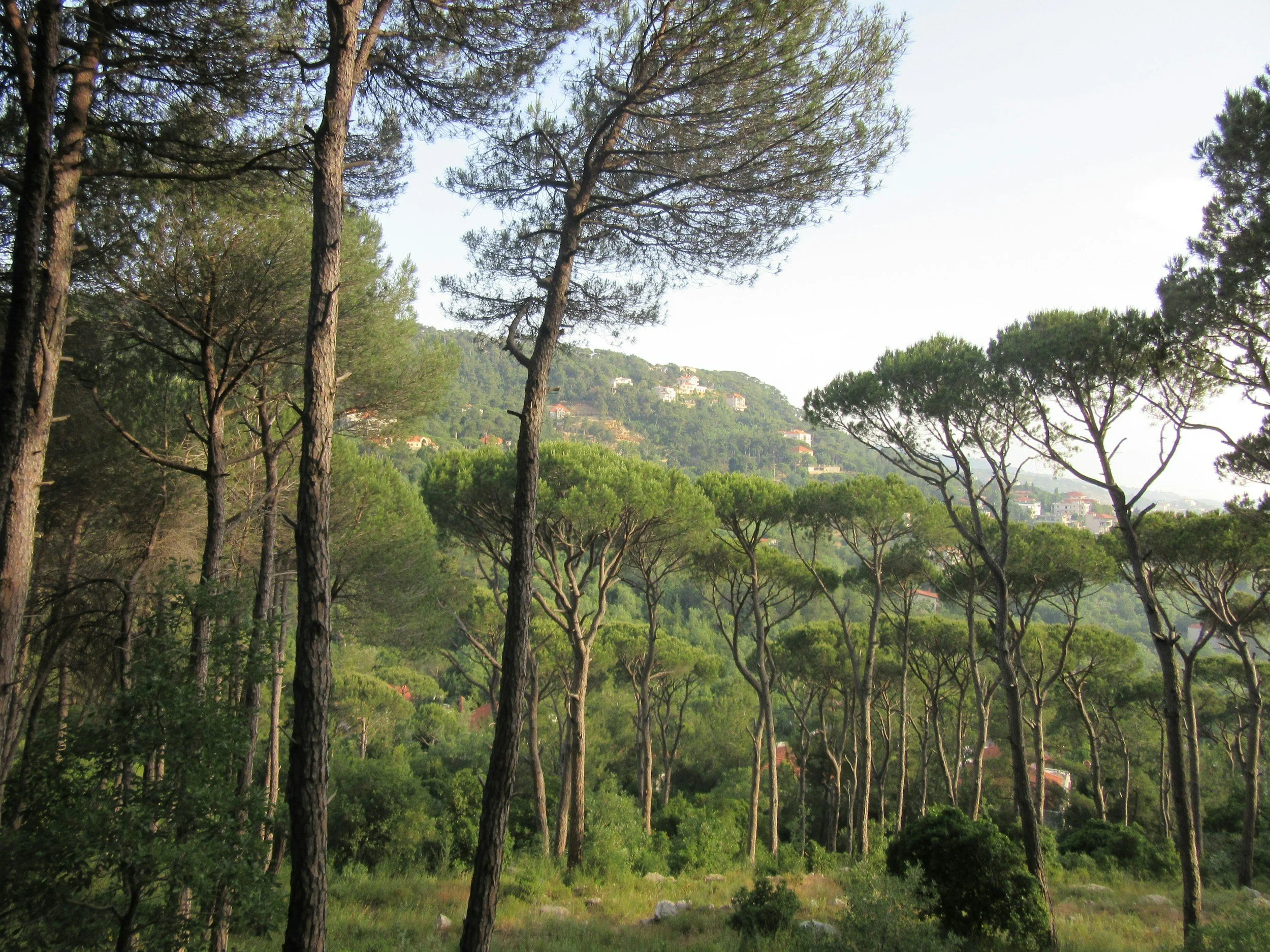
What does it mean to live in the diaspora while you witness atrocities being committed in your home country, in the home country of the person you love, of a friend, of a colleague? To live the life of an immigrant is to live a life of perpetual disconnection, uprooted from the place that your nervous system has learned to organise itself around… all the familiar sights, smells and sounds.
To be born in the diaspora is to know a different flavour of the pain of disconnection from birth, never fully belonging here nor there. Never having had access to a sense of self that was organised around a familial, ancestral history - losing the opportunity to place yourself in the contextual story of where you come from.
You were born never knowing the stability of a nervous system that was raised in a network of connectedness, with a sense of genuine belonging found in seeing faces similar to yours, hearing a language that is music to your heart, and walking through a land you know your ancestors walked through for hundreds of years.
Identity helps us organise the chaos of the world into a stable, manageable story. When identity is threatened or dismantled through years of discrimination, lack of representation or dismissal, you never really had access to the stability and security that identity has to offer.
Knowing that all immigrants carry within them an inexpressible grief, and yet also being obligated to fulfil the obligations asked of them in the everyday routine of work, life, home, kids, family… To know that you are unsettled, no matter where you are in the world, because nowhere equates to home. Your body resides in one physical space, while your heart lives overseas with people and places you no longer have access to. Your eyes see a landscape that your head calls home, but your body rejects with every cell, knowing that the trees are not right, the air does not smell the same, and the earth beneath your feet does not hold the same warmth.
I say all of this to take a moment to witness your pain.
I acknowledge your grief.
I am here to tell you, you are not alone.
Close to 900,000 people (Ref. 1) in the Australian population count themselves as part of the Middle-Eastern Diaspora, and while it is hard to give an exact number of total displaced people in the world, it is well within the tens of millions and is constantly growing.
As we evolved to live in communities, we found there was more safety in numbers, and our nervous systems too adopted the baseline state of
“surrounded by loved ones = safety”
“disconnected from loved ones = threat/danger”.
This is why we see toddlers cry when their mother strays too far away, or we feel a terrifying drop in our stomach when we realise that we have hurt someone we love. It is not just the emotional experience of fear or grief, it is an entire nervous system in your body organising around this perceived sense of threat.
Now, add into this thousands of kilometres of distance, a different time zone and bombs being dropped on those very same people you love, and you will start to get an inkling into the kind of disorganised, frantic chaos that ensues within the nervous system.
Let’s unpack this together and explore what we can do as a collective in the diaspora, to challenge the permeating feelings of isolation, disconnection and a perpetually activated, hypervigilant nervous system.
How our nervous systems organise in unpredictability, perpetual threat and invisibility
Chronic Activation (sympathetic) - a chronically activated nervous system in survival mode burns through internal resources at an incredibly rapid rate. Cortisol, adrenaline and tension weaves its way through your body, eating up precious energy reserves and keeping you primed for reaction and response at any moment. This pattern of hypervigilance, scanning and general anxiety at anything going bad at any time is often coded from a very young age, especially when your parents are likely carrying undiagnosed PTSD and themselves have an activated, reactive and explosive nervous system that is constantly tense.
Numbness and physical collapse (parasympathetic)- when you have spent enough time in the first phase of chronic activation, the body goes into a very wise and adaptive mode called dorsal vagal shutdown. This is where the body tries to conserve energy as it has recognised that the threat is not resolving with our fight-flight responses. Some people experience this as a form of depression, but it is not an endogenous dopaminergic issue, it is a very adaptive response to an environment where the threat is real and constant, and somehow you have to keep moving forward and operating. It dulls your emotions, it is harder to access your thoughts and grief, you find yourself less energetic and unable to motivate yourself to engage in activities, tasks and relationships that normally brought you joy. You don a mask, so everyone experiences you as ‘normal’, but really you have withdrawn into a hollow, empty version of yourself. This is involuntary and highly protective.
Tonic Immobility (in between) - this state is a rare and often last resort survival response, when the threat is real and perceived as internalised panic and fear (high internal sympathetic activation) with a motor-inhibition mode activated (the body freezes, shut down, cannot move or speak). This is different to the physical collapse state above, as that has a dissociative effect from your emotions, while tonic immobility results in an awareness of how terrified you are inside, while your body operates in a frozen, shut down or physiological disconnection.
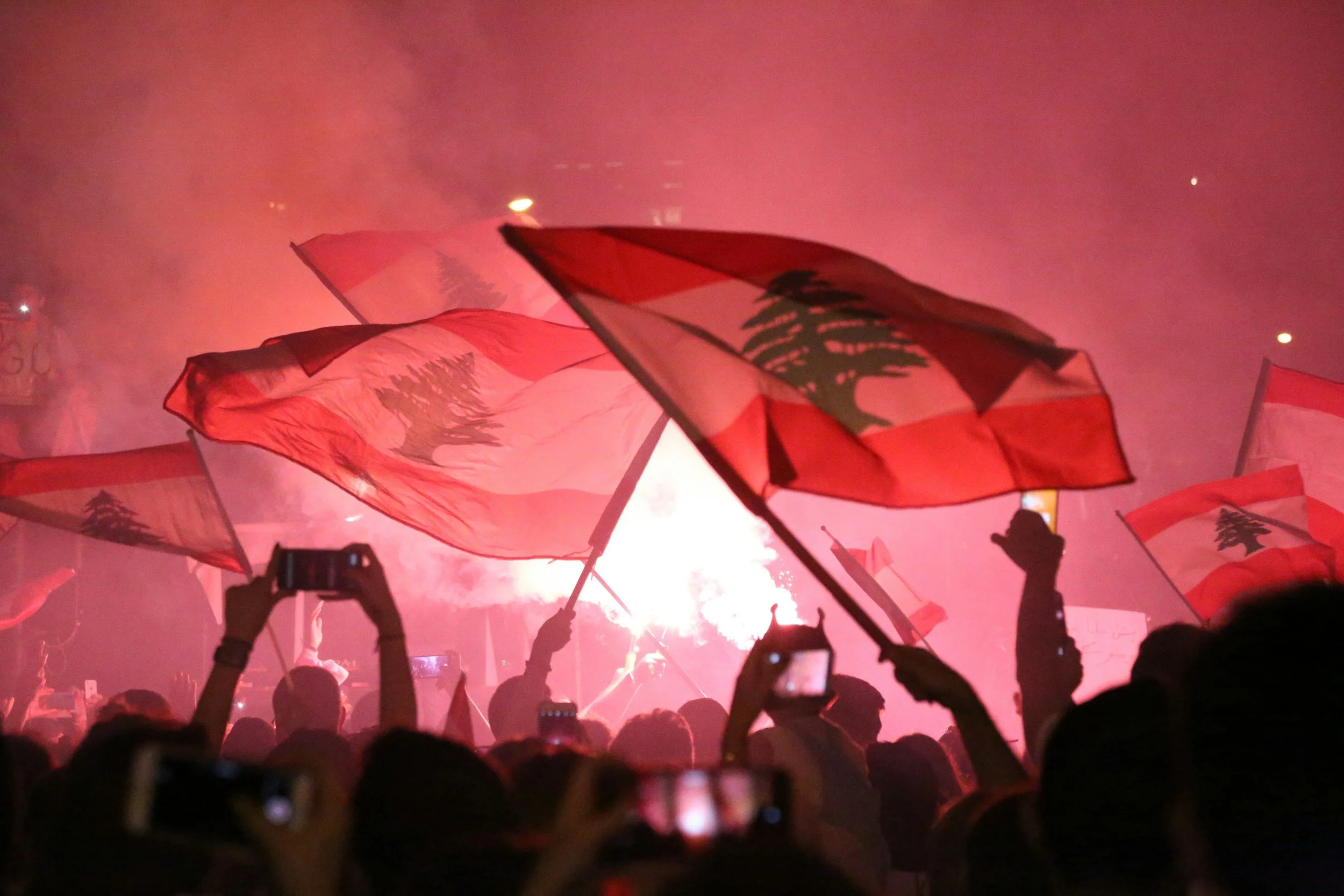
What can we do about it, from both a nervous system and a meaningful perspective?
1. Rhythmic group movement (dance, dabke, circle movement)
Regulates sympathetic arousal through rhythm, synchrony, and predictable repetition
Helps discharge mobilised energy (fight/flight) safely in community
Rebuilds a felt sense of “we move together, we are not alone”
Especially powerful for trauma held in the body (implicit memory)
2. Communal chanting, Qur’an recitation, or collective singing
Regulates tonic immobility and dissociation by re-engaging voice, breath, and timing
Activates ventral vagal pathways through prosody, rhythm, and co-regulated sound
Restores a sense of presence without exposure
The shared vocal field reduces isolation and invisibility
3. Story circles (witnessed storytelling)
Directly heals the wound of invisibility and un-witnessed experience
Integrates fragmented memory by putting experience into language with a witness
Supports transition out of dorsal vagal shutdown through meaning and connection
Key outcome: “I am seen, and I survive being seen”
4. Shared meals and embodied hospitality rituals
Regulates dorsal vagal collapse through safe co-regulation, presence, sensory activation, and establishment of routine
Re-establishes cues of safety (smell, taste, repetition, predictability)
Restores basic nervous system signals: “I can receive without danger”
Especially reparative for deprivation and displacement histories
5. Collective prayer and ritual synchronisation (structured spiritual practice)
Integrates all three states through structured rhythm, meaning, and co-regulation
Standing, bowing, breathing, and timing create somatic containment for dysregulation
Supports transition from chaos to order, being able to find surrender in a regulated way
Reinforces identity continuity: “I belong to something larger that holds me”
Core principle across all 5 skills:
Healing happens more effectively through co-regulation and nervous systems that regulate each other, and less through individual regulation, especially when there has been:
helpless witnessing
fragmentation of identity
chronic invisibility
collective threat or exile
In the context of the diaspora, the nervous system doesn’t just need to feel calm and regulated, it needs to access a sense of belonging that is embodied, rhythmic, and witnessed.
Poetic Reflections
"The deeper that sorrow carves into your being
The more joy you can contain"
- Khalil Gibran
Therapeutic Skill of the Week
Humming and singing as part of the vagus nerve activation. This is done best as a collective practice, so grab a family member or a friend, hold hands and pick a song to sing together.
Focus on the vibrations dancing between your two bodies, close your eyes and hear the harmony of the melodies, and know that the vibrations are embracing your nervous system, they do not just dissipate into the air.
The song regulates you, and if you pick a song with meaningful lyrics that touch your heart and strike hope into life, then all the better.
Thank you for reading.
With light, love and hope.
All my very best,
Tala
References
Australian Bureau of Statistics : Census of Population and Housing: Cultural diversity data summary, 2021" (XLSX). Abs.gov.au. Retrieved 26 July 2022.